

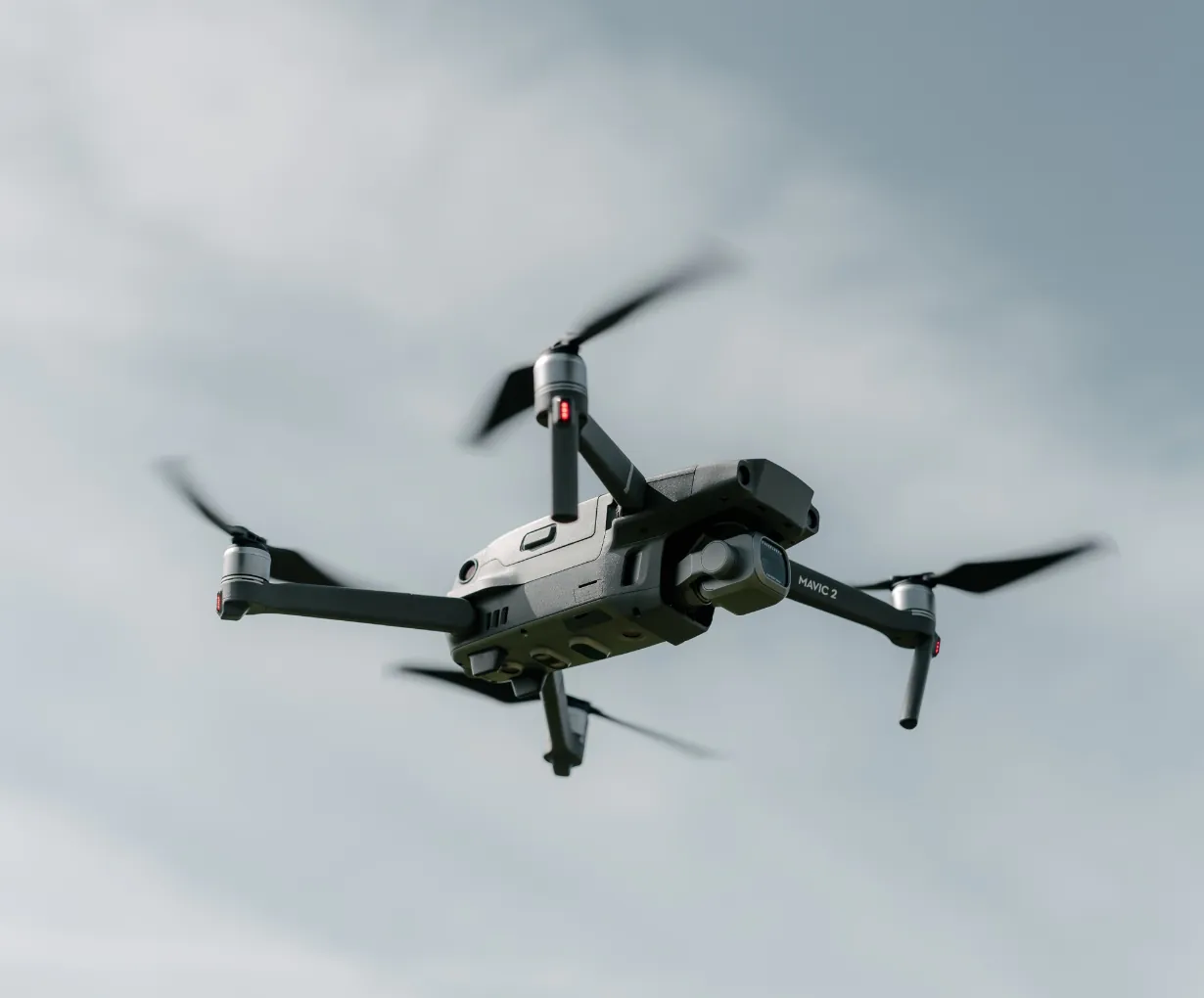

Drone technology has developed rapidly during the last decade and is now considered an important part of modern digital innovation. Initially associated mainly with photography and recreational use, drones are currently applied across multiple industries including logistics, transportation, agriculture, security, environmental monitoring, and e-commerce. Their ability to collect real-time data, operate remotely, and access areas that are difficult for humans to reach makes them valuable tools in both commercial and industrial environments.
One of the most significant advantages of drone systems is their efficiency in data collection and automated operations. Equipped with cameras, sensors, GPS systems, and wireless communication technologies, drones can perform monitoring tasks with high accuracy and reduced operational cost. Businesses increasingly use these technologies to improve productivity, reduce delays, and support faster decision-making processes based on real-time information.
In the field of e-commerce and logistics, drones have attracted attention because of their potential role in product delivery services. Fast delivery has become an important expectation for online consumers, especially in highly competitive digital markets. Drone-based delivery systems may support shorter transportation times, lower operational costs, and improved accessibility in urban or remote areas. Although large-scale implementation still faces technical and regulatory challenges, many companies continue to invest in research related to automated delivery technologies.
Drone technology is also connected with the broader development of smart systems and automation. Modern drones often integrate artificial intelligence, object detection, navigation algorithms, and real-time communication features that allow them to operate with minimal human intervention. These capabilities demonstrate how advanced technologies are gradually transforming digital infrastructure and influencing the future of connected systems.
From a technological perspective, the evolution of drones highlights the importance of innovation in both hardware and software design. Battery efficiency, wireless connectivity, lightweight materials, and sensor accuracy continue to improve, allowing drones to perform more advanced tasks with higher reliability. At the same time, software platforms support remote control, data analysis, and automated flight management through intuitive user interfaces and cloud-based services.
As industries continue to adopt automation and intelligent systems, drones are expected to become even more important in future digital environments. Their integration with smart technologies, real-time communication networks, and advanced analytics demonstrates the growing relationship between automation and modern business operations. For technology-focused platforms and online businesses, understanding the impact of these innovations is essential in order to remain competitive within the evolving digital economy.