

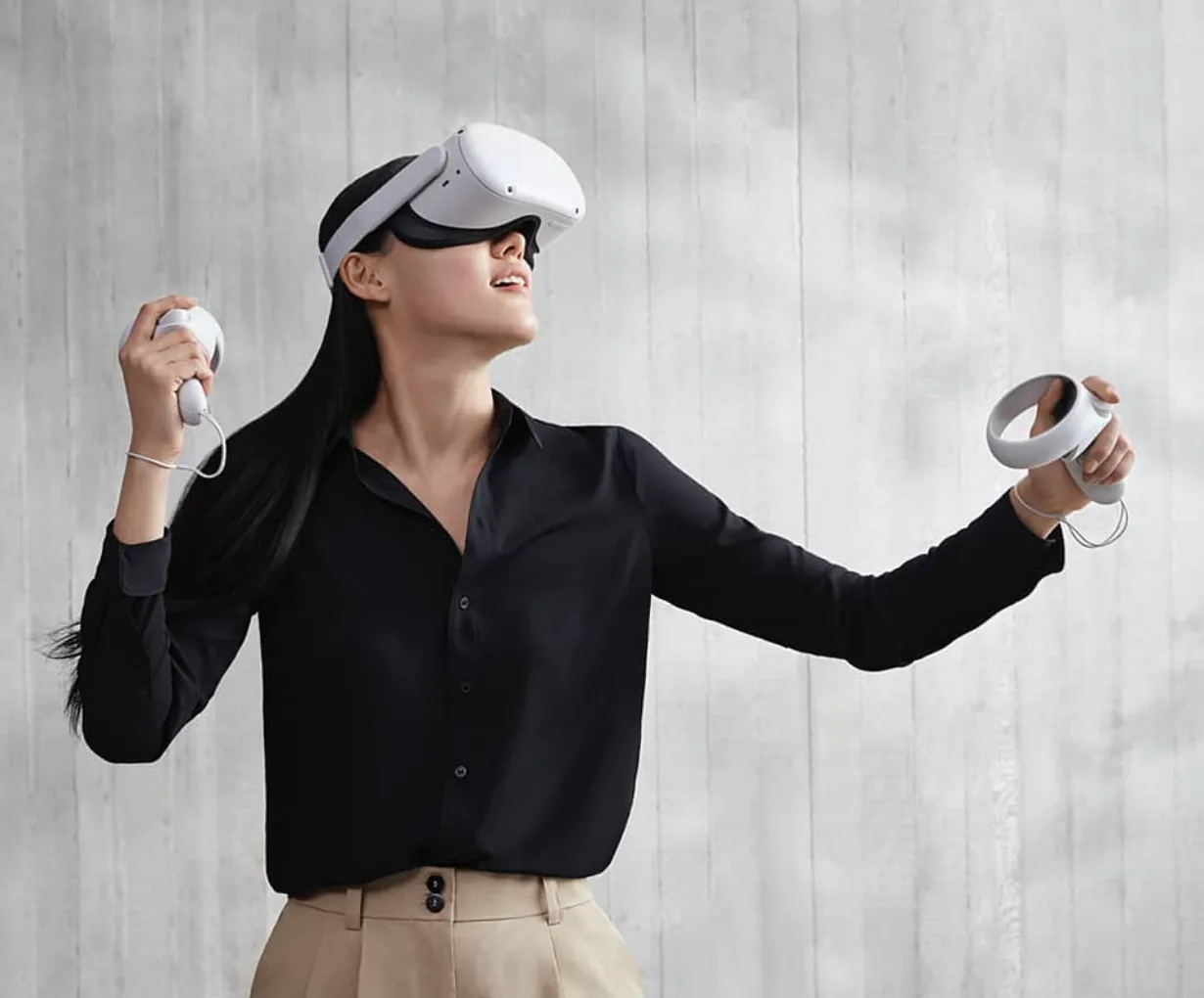

Digital commerce continues to evolve as businesses search for more effective ways to present products and improve customer interaction within online environments. One of the most innovative developments in this area is the emergence of virtual showrooms. Unlike traditional e-commerce interfaces that rely mainly on static images and standard product pages, virtual showrooms create immersive digital spaces where users can explore products in a more interactive and realistic way.
Virtual showrooms are designed to simulate aspects of the physical shopping experience within a digital environment. Through technologies such as virtual reality, 3D visualization, and interactive interfaces, users are able to navigate through digital spaces, examine products from multiple perspectives, and interact with virtual representations of items before making purchasing decisions. This approach allows online stores to provide a more engaging form of product presentation compared to conventional browsing methods.
One of the main advantages of virtual showrooms is the improvement of product understanding. In many online shopping environments, customers cannot physically interact with products before purchasing them, which may create uncertainty regarding quality, size, appearance, or functionality. Immersive technologies can reduce this limitation by allowing users to observe products in greater detail and experience a more realistic representation of the shopping process.
Virtual showrooms are particularly relevant for technology-focused businesses that sell gadgets, consumer electronics, wearable devices, gaming equipment, and smart products. These categories often involve products with advanced features and modern designs that benefit from interactive visualization. A more immersive presentation can help customers better understand technical characteristics and evaluate products more confidently.
From a user experience perspective, immersive shopping environments can also increase engagement and support longer interaction with digital platforms. Users who actively explore products within a virtual space are more likely to remain engaged during the customer journey and develop a stronger connection with the platform. As a result, businesses can create more memorable online experiences that combine usability, visual communication, and digital innovation.
The growth of virtual showrooms is also connected with broader technological developments in artificial intelligence, cloud computing, real-time rendering, and interactive web technologies. As these systems continue to improve, immersive digital commerce may become more accessible to both businesses and consumers. This transition demonstrates how online shopping is gradually moving beyond static interfaces toward more dynamic and user-centered digital experiences.
Although virtual showroom technology is still developing, its potential impact on e-commerce is significant. Businesses that invest in immersive product presentation and advanced user interaction may gain an important competitive advantage within increasingly digital markets. Consequently, virtual showrooms can be considered an important direction for the future evolution of modern online commerce platforms.